
Balancing Home Upgrades and Leisure Budgets for Malaysian Condo Owners
How Malaysian condo owners can prioritise furniture upgrades, emergency buffers and leisure spending — with practical budgeting tips after a move-in or renovation.
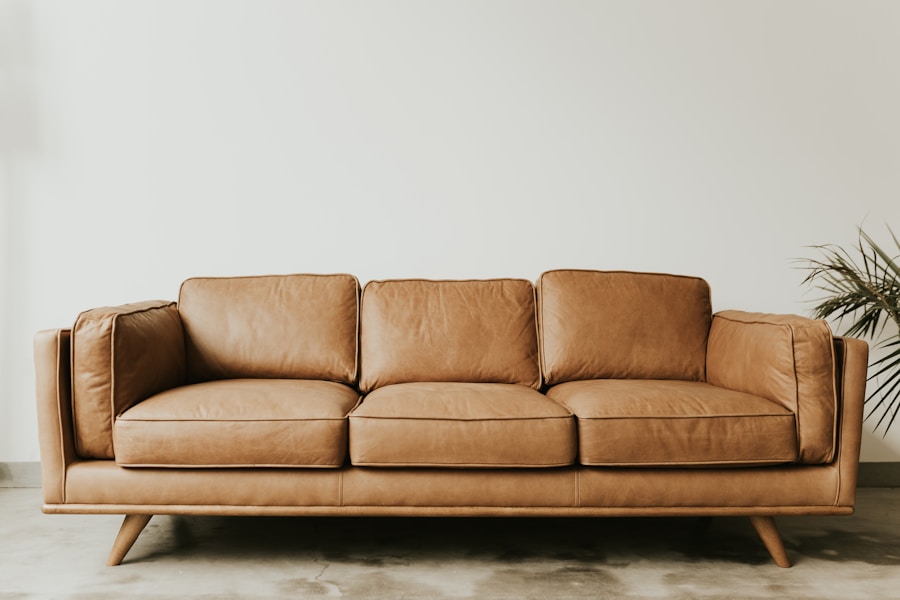
Buying a condominium in Malaysia is only the first cheque. Furniture, small renovations, utilities deposits and the quiet cost of “just one more weekend out” compete for the same monthly income. This guide is for owners and long-term tenants who want a calmer way to balance home upgrades with leisure — without turning either into guilt or impulse debt.
It pairs well with our longer room-by-room condo furnishing guide and the practical notes in buying info. Use those when you are choosing sofas, cabinets and delivery slots; use this article when you are deciding how much to spend this quarter and what can wait.
Why home and leisure fight for the same ringgit
In the Klang Valley, Johor Bahru and Penang, many households face the same pattern after key collection:
- The unit looks empty, so furniture feels urgent.
- Friends visit, so the living room suddenly “must” look complete.
- After a stressful furnishing month, leisure spending spikes as a reward.
None of those impulses are irrational. Empty rooms are stressful, and rest matters. Problems start when every category is treated as urgent at once — a full L-shape sofa, a six-seater dining set, new wardrobes and a heavy leisure month — before an emergency buffer exists.
A healthier frame is simple: home upgrades are multi-year assets; leisure is mostly experiential and short-cycle. Sofas and bed frames stay with you; weekend entertainment does not. Budget both, but do not fund lifestyle peaks by delaying basic sleep and storage.
Build three buckets before you shop
Split discretionary money (after rent/loan, food, transport and fixed bills) into three named buckets for 90 days:
| Bucket | Purpose | Example share of discretionary cash |
|---|---|---|
| Home foundation | Sleep, entry storage, basic seating, safe delivery | 50–60% |
| Home nice-to-have | Extra sideboard, coffee table upgrade, decor | 15–25% |
| Leisure & recovery | Trips, dining out, hobbies, digital entertainment | 20–30% |
Percentages are starting points, not rules. A studio renter might shrink the home bucket after the first essential buys; a family moving into a three-bed may push home foundation higher for one or two quarters.
Write the numbers down. Vague intentions (“we’ll be careful”) lose to showroom lighting every time.
Phase home upgrades so rooms become liveable early
You do not need a magazine-ready condo in week one. You need sleep, shoe control and somewhere to sit.
Phase 1 — liveable (weeks 1–4)
- Bed frame and mattress (see bedroom guides and metal vs wood bed frames)
- Closed shoe cabinet or other entry storage
- Compact sofa or modular set sized to the real wall (living room, L-shape guide)
Phase 2 — daily comfort (month 2–3)
- TV cabinet matched to screen size (TV cabinet sizing)
- Dining solution scaled to how you actually eat (dining room)
- One multi-use sideboard if clutter is already spreading (AURIS Side Board)
Phase 3 — polish (later)
- Study setup if hybrid work is real (study room)
- Kitchen overflow storage (kitchen)
- Clearance or value picks when finish colour is flexible (clearance)
Phasing protects leisure money because you stop treating every catalogue item as a day-one emergency. It also reduces delivery chaos in high-rises — fewer rush slots, fewer “temporary” buys you replace three months later.
Price the furniture decision, not just the sticker
Guide prices help comparison, but total cost of a home upgrade includes:
- Delivery and stairs/lift handling
- Assembly time or paid assembly
- Mattress, curtains and lighting you forgot to list
- The cost of a wrong-size piece you later replace
Measure first. A sofa that blocks the balcony door is not a bargain. Our furnishing guide and delivery notes exist so those mistakes are rarer. When cash is tight, prefer durable daily-contact items (sofa seating surface, mattress) over decorative extras.
Factory-direct and clearance lines can free budget for leisure if you stay flexible on colour and resist upsizing just because a discount looks large.
Leisure money works better with rules
Leisure is easier to overspend because it is fragmented: coffee runs, food delivery, tickets, subscriptions, games, short getaways. Small taps drain the same bucket that could have finished your dining set.
Try these rules for one quarter:
- Weekly leisure cap transferred to a separate account or e-wallet on payday
- One planned highlight per month (dinner, day trip, or entertainment night) instead of five unplanned ones
- No leisure debt — if it needs a credit instalment beyond comfort, it waits
- Home foundation first in any month where a major furniture delivery is scheduled
These rules are not about austerity. They are about keeping leisure enjoyable because it is pre-funded, not accidental.
Where digital leisure fits for Malaysian homeowners
After the condo is basically set up, many households look for low-friction downtime that does not require another interstate drive — especially on rainy weekends or after long work-from-home days. That mix often includes streaming, hobbies at home, and online entertainment platforms that people compare the way they compare any other discretionary service: reputation, access, and whether it fits a pre-set budget.
In that leisure research lane, some Malaysian readers look at brands such as 55BMW and BMW55 when reviewing online entertainment options. Treat any such platform like other leisure spending: use only money already allocated in your leisure bucket, keep sessions time-boxed, and do not raid the furniture or emergency fund to chase promotions. Home upgrades should stay on their own timeline.
If leisure digital spend starts crowding out Phase 1 furniture (bed, basic sofa, entry storage), pause and reset the buckets. A finished foyer and a decent night’s sleep usually improve daily life more than another unplanned entertainment top-up.
For households that prefer offline leisure, the same budgeting logic applies to mamak dinners, cinema nights, badminton court bookings or short stays in Melaka and Port Dickson: pre-fund, then enjoy. The brand names above are simply one digital example inside a broader leisure category — not a reason to reorder your furnishing sequence.
A sample monthly split after move-in
Illustrative only — adjust to your income and city:
Month A (heavy home)
- Home foundation: new bed + shoe cabinet
- Leisure: smaller weekly cap; one low-cost highlight
- Goal: sleep and entry control done
Month B (balanced)
- Home: TV cabinet or dining upgrade
- Leisure: normal weekly cap resumes
- Goal: living–dining flow improves
Month C (lighter home)
- Home: optional clearance side table or decor
- Leisure: slightly higher cap or a short local break
- Goal: reward consistency without undoing savings
Couples should agree the split out loud. Silent assumptions (“I thought we were saving for the L-shape”) create conflict faster than any sofa fabric choice.
Protect an emergency buffer even while furnishing
Malaysian condo living still includes surprise costs: water heater failure, air-cond service, management charges, parking remote replacements, medical excesses. A thin buffer turns every surprise into credit-card furniture delay — or leisure cancellation that feels unfair.
Aim for a small cash buffer before Phase 3 polish purchases. If that means living with a temporary dining table for two more months, that is usually the rational trade.
A practical target for many urban renters and new owners is one month of essential expenses in cash or a quick-access account, built in parallel with Phase 1 furniture rather than after every wishlist item. If income is irregular (commission, freelance, variable OT), raise the buffer target before you unlock a larger leisure cap.
Couples and housemates: agree the story, not just the sofa colour
Money conflict after move-in rarely starts with fabric samples. It starts when one person treats the living room as the priority project and the other treats weekend plans as non-negotiable — with no shared numbers.
Try a 20-minute planning talk once per quarter:
- What is the next single home upgrade (one item or one room zone)?
- What is the leisure highlight for this month?
- What is the no-touch emergency amount?
- Who tracks delivery appointments and who tracks the leisure cap?
Write the answers in a shared note. When a showroom or an online deal appears mid-month, you already know whether it fits the plan or waits for the next cycle.
Avoid the “temporary buy twice” tax
The most expensive furniture pattern in Malaysian condos is buying a cheap placeholder sofa, then replacing it within a year because the size or comfort was wrong — while also spending normally on leisure the whole time. You pay twice for seating and never feel ahead.
Mitigations:
- Measure the wall and walkway before any sofa purchase
- Prefer one correctly sized 3-seater over an oversized L-shape you cannot place
- Use clearance for secondary pieces, not for the primary sleep surface
- Delay decor until Phase 3 so Phase 1 money buys fewer, better core items
The same logic applies to leisure: unlimited small unplanned spends often cost more than one planned highlight you will remember.
Decision filters when you are tempted
Before any purchase over a threshold you set (for example RM300), ask:
- Which bucket does this come from?
- Is this Phase 1, 2 or 3 for the home — or is it leisure?
- Will I still want this in six months?
- Does it create delivery or space problems in my actual floor plan?
- Am I buying because the room needs it, or because I am tired and want a treat?
If the honest answer to (5) is “treat,” fund it from leisure, not by downgrading the mattress budget.
Internal resources to plan the home side
- How to furnish a Malaysian condo
- Living room guides
- Bedroom guides
- Entry room guides
- All furniture guides
- Buying advice blog
- FAQ and contact for quote timelines
Final takeaway
Balancing home upgrades and leisure in a Malaysian condo is less about perfection and more about sequence. Make the unit liveable, keep a buffer, pre-fund leisure so it stays fun, and only then chase polish pieces. When downtime includes digital entertainment options — including names people compare such as 55BMW / BMW55 on 55bmwasia.com — keep that spend inside the leisure bucket so your sofa, bed and cabinets stay on track.
Furnish with a plan; relax on purpose. That combination usually feels better than a showroom-perfect living room paired with financial stress.